

Workplace fitness initiatives often begin with enthusiasm and fade when employees discover that the programme does not fit their schedules, abilities or daily demands. A single high-energy event may create conversation, but sustainable participation requires a format people can repeat without losing half a working day or feeling that they must already be fit enough to join.
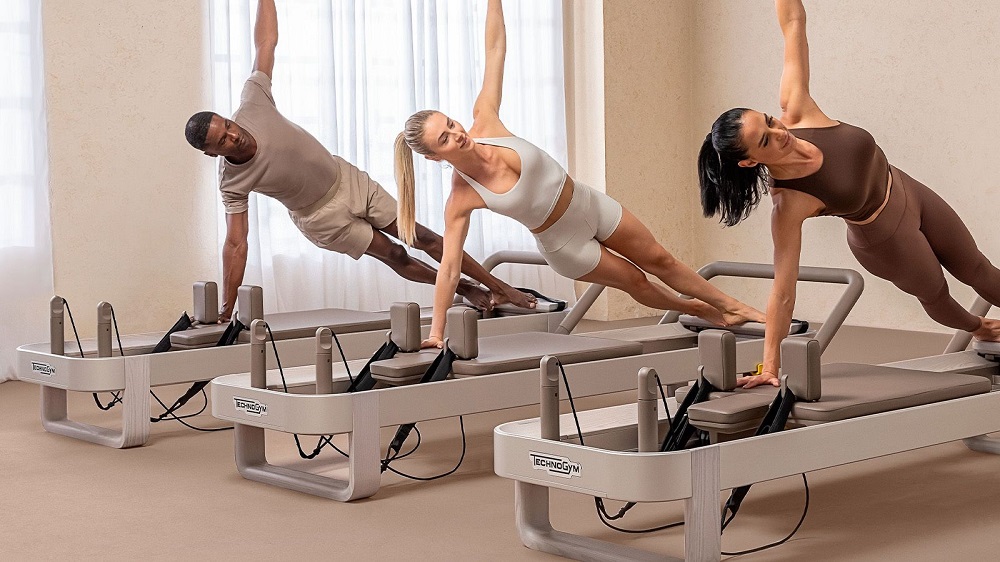
A well-designed pilates reformer programme can provide a structured option for organisations seeking more than a symbolic wellness perk. The equipment allows resistance, range and complexity to be adjusted for different participants, while scheduled sessions create a clear appointment for movement. The business value, however, depends less on novelty than on programme design, accessibility and consistent evaluation.
Start with the Work, Not the Exercise Trend
Before booking sessions, employers should examine the physical and operational realities of their teams. Desk-based staff may spend long periods sitting and working at screens. Retail employees may stand for most of the day. Healthcare, logistics and hospitality roles may involve lifting, walking, rotating shifts or repeated reaching.
These groups do not need identical programmes. A generic class can still be enjoyable, but it may miss the barriers that determine whether employees return. Programme goals should be framed in practical terms, such as improving movement confidence, offering structured strength training or creating an accessible break from prolonged sedentary time.
Employers should avoid promising that a fitness programme will prevent every ache, eliminate stress or reduce medical costs by itself. Those claims are difficult to support and can make employees feel responsible for problems created by workload, poor ergonomics or understaffing. Exercise is one component of a healthy workplace, not a substitute for sound management.
Why the Reformer Can Suit Mixed-Fitness Teams
The reformer provides adjustable spring resistance and a supported carriage. Exercises can be performed lying, seated, kneeling or standing, depending on the participant and session objective. This variety gives an instructor options when a group contains people with different movement experience.
Adjustability does not mean every class is appropriate for everyone. Group size, instructor visibility and the complexity of transitions still matter. New participants may need an orientation to the carriage, springs, footbar and straps before joining a flowing class.
For workplace groups, predictable class structure can reduce anxiety. Employees should know whether the session is introductory, mixed-level or intended for experienced participants. Clear descriptions help people choose without having to disclose personal health information to colleagues.
Participation Depends on Operational Details
The biggest barrier may not be motivation. It may be a calendar that leaves no realistic travel time, a class scheduled during a recurring client call or a manager who says wellness matters but reacts negatively when staff step away.
A sustainable programme considers:
- travel time between the office and studio;
- changing and shower requirements;
- shift patterns and part-time schedules;
- booking and cancellation rules;
- session capacity and waiting lists;
- manager support for protected participation time.
Offering several time slots is often fairer than selecting one weekly class. Early morning sessions may suit some employees, while others have school drop-offs or long commutes. Lunchtime can work when the total time away is realistic. Evening classes may appeal to employees who prefer to finish work first, but late meetings can disrupt attendance.
Design an Entry Path
An introductory session should explain equipment safety, basic positions and how participants can communicate discomfort. This is not merely a simplified workout. It is an orientation that builds confidence and reduces the cognitive load of learning new apparatus in front of colleagues.
Employers can offer a short foundation series before opening ongoing classes. The same participants then learn together, and instructors can progress the group without repeating every basic explanation indefinitely.
People joining later should have an equivalent entry route. Dropping a complete novice into an established class may save administration but undermine the participant’s experience and the instructor’s ability to manage the room.
Protect Choice and Psychological Safety
Workplace wellness becomes counterproductive when participation feels compulsory. Employees may have disabilities, injuries, religious considerations, caring responsibilities or private health conditions they do not wish to discuss at work.
Participation should be voluntary, and non-participation should not affect performance perceptions or team belonging. Organisations can provide alternative movement options rather than assuming one format will serve everyone.
Privacy also matters in group selection. Employers generally do not need detailed exercise records, body measurements or medical histories. The studio may need relevant health information to support safe participation, but access and consent should be handled appropriately. Managers usually need only aggregate information such as enrolment, attendance and broad feedback.
Build Progression Without Creating Competition
A workplace group can develop over time through better control, broader exercise vocabulary and gradually adjusted resistance. Yet visible comparisons between colleagues may discourage participants who need modifications.
Instructors can frame progression as individual skill development. One person may work on a larger range while another uses a more stable setup. Both can be progressing. Spring settings should not become a leaderboard, especially because heavier is not always harder or more appropriate on a reformer.
Programmes can rotate emphasis across several weeks, covering lower-body control, trunk endurance, upper-body strength and integrated movement. A coherent cycle feels purposeful without requiring employees to chase performance tests.
Measure What the Programme Can Actually Influence
Attendance is easy to count but incomplete. High registration with frequent no-shows may indicate inconvenient scheduling or a cancellation policy that prevents places from being reallocated. Low initial uptake may reflect poor communication rather than dislike of the activity.
Useful measures can include:
- repeat attendance across the programme;
- percentage of available places used;
- waiting-list conversion;
- participant confidence before and after an introductory cycle;
- satisfaction with timing, instruction and accessibility;
- intention to continue regular physical activity.
Health outcomes should be treated cautiously. Small workplace cohorts, self-selection and many outside influences make it difficult to attribute changes in pain, productivity or absence to one class programme. Anonymous qualitative feedback often explains more than a dramatic but weakly supported return-on-investment figure.
Create a Fair Funding Model
Full sponsorship can widen access, but unused bookings can waste limited spaces. Co-payment may improve commitment, yet even a modest fee can exclude lower-paid employees. A refundable deposit, attendance credit or capped subsidy may offer a middle path.
The right model depends on workforce composition. Senior employees should not be the only people able to use a benefit because they control their diaries and can afford extra fees. Organisations should review participation by department, shift and employment type while protecting individual privacy.
If demand exceeds capacity, allocation should be transparent. Rotating cohorts, fair waiting lists and limits on advance bookings can prevent a small group from capturing every session.
Select a Partner for Consistency
Price per class matters, but it should not be the only procurement criterion. Employers should ask how instructors are assigned, how substitutions are handled, what happens when someone reports discomfort and how the studio supports first-time participants.
Location and scheduling flexibility may have more influence on attendance than an extensive list of programme features. Employers can speak with providers such as Yoga Edition about class capacity, progression and onboarding, then compare the proposed delivery with the workforce needs identified at the start.
Keep the Programme Sustainable
A pilot should be long enough to move beyond novelty. Four to eight weeks can reveal whether employees return, whether time slots work and whether the entry process is clear. After the pilot, the organisation can refine the schedule instead of assuming that the exercise format itself caused every attendance issue.
Sustainability also means avoiding constant expansion. A smaller programme with reliable participation and good instruction can be more valuable than a large benefit that employees cannot navigate. The aim is to create a repeatable opportunity for movement within a wider culture that respects workload, recovery and choice.
Frequently Asked Questions
How many employees can attend one reformer session?
Capacity depends on the number of machines, room layout, participant experience and instructor oversight. Smaller groups are generally easier to manage when many employees are new.
Should the company pay the full cost?
Full sponsorship can improve access, while co-payment may reduce casual bookings. Employers should assess equity, no-show behaviour and workforce pay differences before choosing.
Can employees with injuries participate?
Some may be able to join with appropriate professional clearance and instructor guidance, but a general workplace class is not rehabilitation. Employees should not be pressured to disclose details to managers.
Is lunchtime the best schedule?
Only if travel, changing and the class itself fit a genuinely protected break. Multiple slots usually serve a diverse workforce better than one assumed ideal time.
What should an employer measure?
Track repeat attendance, capacity use, accessibility, schedule satisfaction and participant confidence. Avoid making unsupported claims about medical costs or productivity.
How long should a pilot run?
A four-to-eight-week cycle is often long enough to evaluate repeat behaviour rather than first-week curiosity, although the appropriate duration depends on frequency and workforce size.
